

Measles
Measles in 2026
Measles a a dangerous and extremely contagious illness. Although measles was previously declared eliminated in the United States after widespread vaccination, outbreaks are increasing in the United States. Find North Carolina measles data here. Find national data here.
About measles
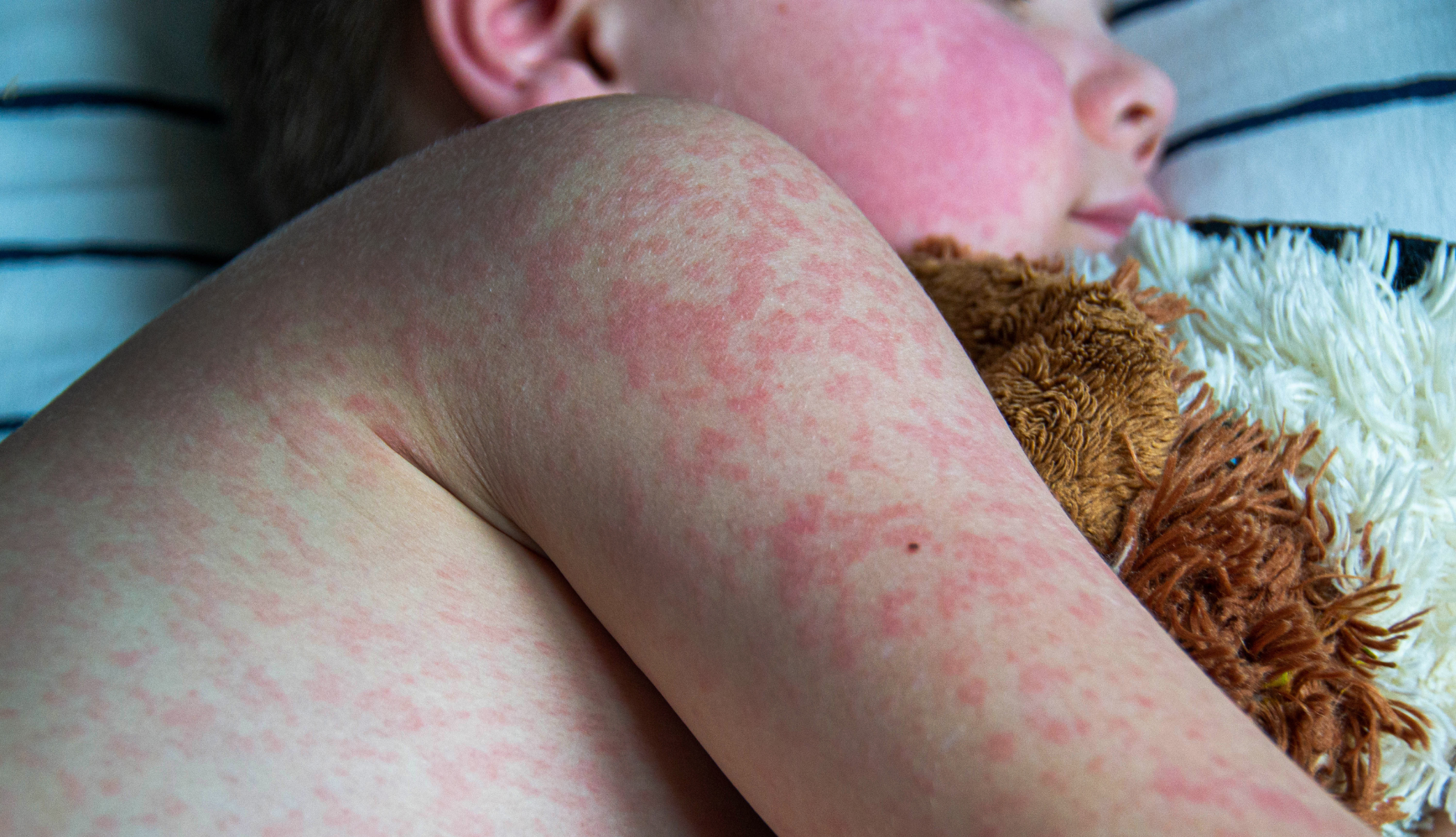
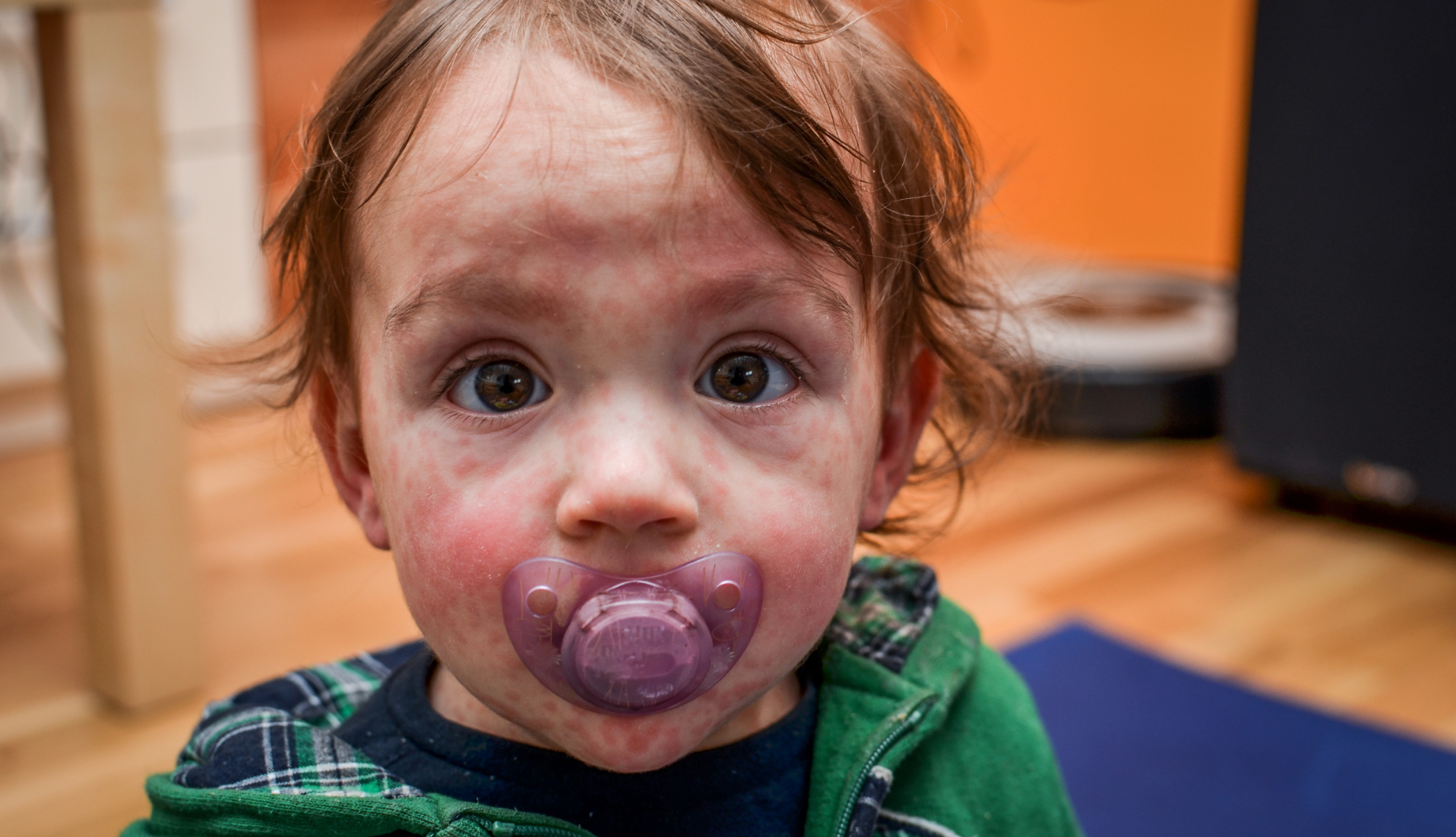
Measles is not just a rash. Measles is one of the most contagious illnesses on earth, and it can be very serious and even deadly. Risks of measles include pneumonia, brain swelling (encephalitis), deafness, and more. About 1 in 5 unvaccinated people who get measles will be hospitalized.
Getting vaccinated is the best way to protect yourself from measles. Getting two doses of the measles vacceine (MMR) is 97% effective at preventing measles. Vaccines are recommended for age 12 months or older. In some cases, vaccination can begin as early as age 6 months. Talk to your doctor about early vaccination if your child will be traveling internationally or lives in or will travel to an area that is experiencing a measles outbreak.
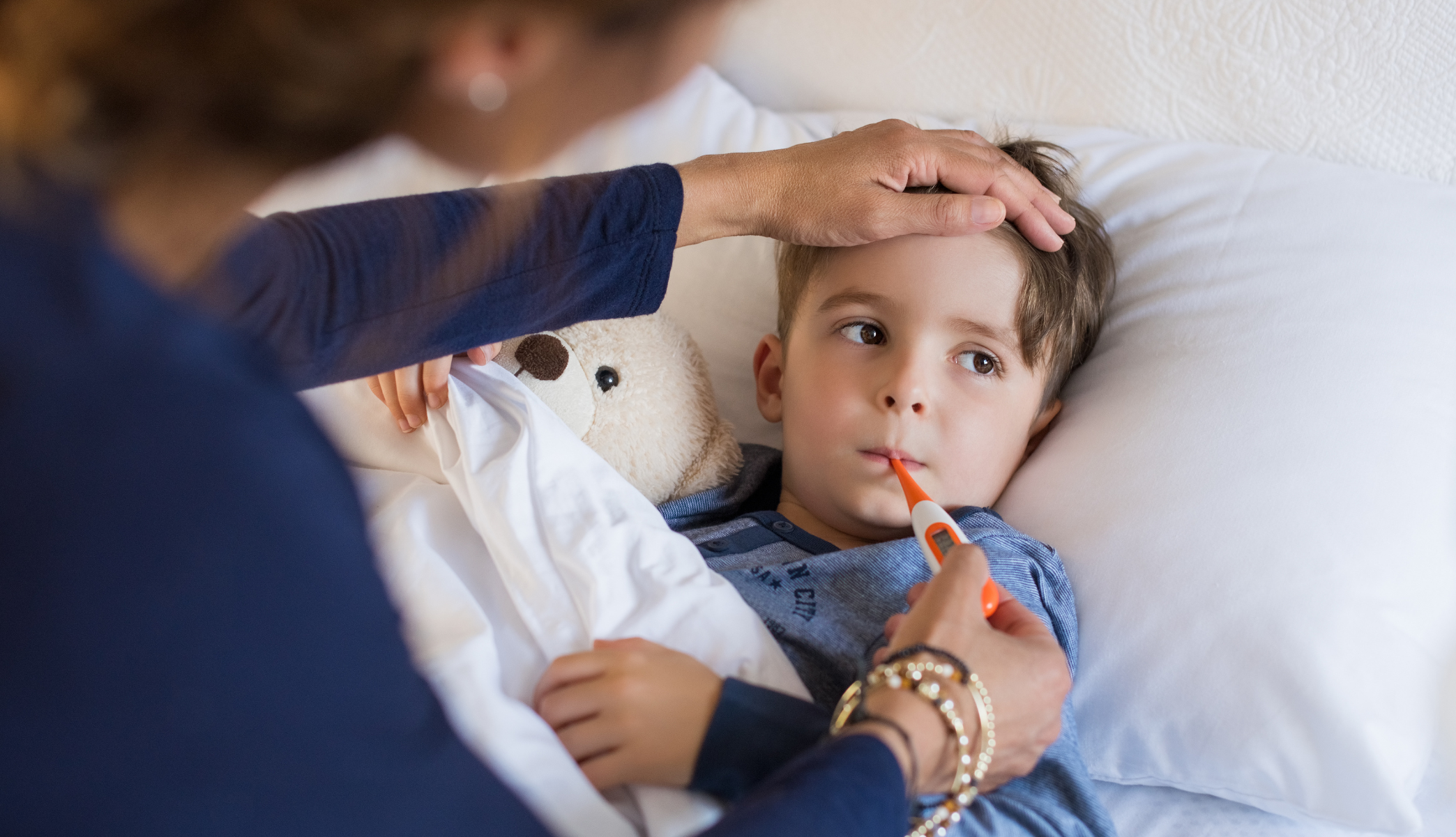
If you are experiencing measles symptoms, call your doctor before visiting in person. Measles is extremely contagious!
Measles Symptoms
Measles symptoms can include the following. Not everyone will experience every symptom.
First symptoms, 7-14 days after exposure
- High fever (may spike to more than 104°)
- Cough
- Runny nose (coryza)
- Red, watery eyes
2-3 days after other symptoms begin
- Tiny white spots inside mouth (Koplik spots)
3-5 days after other symptoms begin:
- Rash
 About measles vaccines
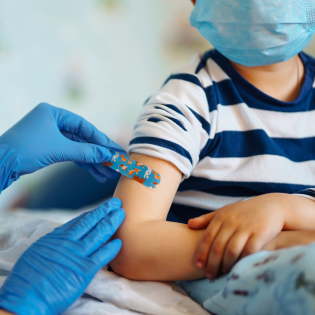
The measles vaccine (measles, mumps, rubella vaccine, aka MMR) is the best way to protect yourself from measles. The vaccine is usually a two-dose series. Getting both doses is 97% effective at preventing measles. Doctors recommend receiving the first dose at age 12-15 months and the second dose at 4-6 years old. During outbreaks or before international travel, babies can be vaccinated as early as 6 months old.
If you were not vaccinated as a child or are not sure, get vaccinated now. There is no harm in receiving an additional MMR dose if you might already have immunity. if you were vaccinated before 1968, you received a much weaker version of the vaccine, so it's a good idea to get vaccinated again now. Learn more MMR vaccines here and in the FAQs below.
Who needs MMR vaccines?
The measles, mumps, and rubella (MMR) vaccine is 97% effective at preventing measles infection. Learn more below and get up to date as soon as possible.
Almost all people* age 12 months or older who were born in or after 1957 should be vaccinated. If you were born before 1957, it's assumed that you already have immunity from a prior infection, and in most cases you don't need to be vaccinated again.
Children:
- Almost all children* should receive two doses of the MMR vaccine. The first dose should generally be given at age 12-15 months. The second should be given at age 4-6 years old.
- Babies as young as 6 months old can often be vaccinated early if they will travel internationally or live in or will travel to an area with an ongoing measles outbreak.
Adults:
- Born before 1957: Because measles was so widespread at this time, people born before 1957 are considered already immune due to likely past infection, and in most cases do not need to be vaccinated.
- People born between 1957-1968 and vaccinated before 1968: A more effective version of the vaccine was introduced in 1968, and people who were vaccinated before then probably received a weaker, less effective version of the vaccine. Talk to your doctor about getting vaccinated again.
- Other adults: If you have not received at least one dose or are unsure if you have, you should get vaccinated (there is no harm in receiving an additional dose if you might already have immunity). Most adults are considered immune if they have received at least one dose of the MMR vaccine. During measles outbreaks, you should consider getting a second dose for additional protection.
- Special circumstances: In the situations below, it is recommended that adults receive two doses of the MMR vaccine (or one dose if you have already received one) if you have no evidence of immunity from past vaccination or infection.
- Some people with certain underlying conditions. Talk to your doctor about if this affects you.
- Health care personnel, students in postsecondary educational institutions, international travelers, and household or close, personal contacts of people who are immunocompromised
- Special circumstances: In the situations below, it is recommended that adults receive two doses of the MMR vaccine (or one dose if you have already received one) if you have no evidence of immunity from past vaccination or infection.
* Some people should not receive a measles vaccine. These include people who are pregnant or severely immunocompromised. This is rare, so talk to your doctor if you think this applies to you.
Check your immunity to measles using this tool (link opens to the North Carolina Department of Health and Human Services website).
Are measles vaccines safe?
Yes. Measles vaccines (MMR) have been safely administered for several decades. Like all vaccines and medications, measles vaccines can have side effects, but these side effects are almost always mild. Common side effects include:
- Sore arm from the shot.
- Fever.
- Mild rash.
- Temporary pain and stiffness in the joints, mostly in teenage or adult women who did not already have immunity to the rubella component of the vaccine.
Some children — about 10 percent — will develop a fever about six to 12 days after vaccination, and an even smaller percentage will have a rash that can last a few hours to a day or two. This is not the same as developing a measles infection.
How serious is measles?
Measles can be a very serious and even deadly illness. Measles is not just a rash. Severe outcomes of measles can include:
- Hospitalization. About 1 in 5 unvaccinated people in the U.S. who get measles is hospitalized.
- Pneumonia. As many as 1 out of every 20 children with measles gets pneumonia, the most common cause of death from measles in young children.
- Encephalitis (brain swelling). This can lead to convulsions and leave the child deaf or with intellectual disability.
- Death. Nearly 1 to 3 of every 1,000 children who become infected with measles will die from complications
- Complications during pregnancy. Measles during pregnancy can cause complications including pre-term birth, a low-birth-weight baby, or stillbirth. People who are pregnant cannot receive an MMR vaccine, so if you are planning to get pregnant in the near future, talk to your doctor about vaccination as soon as possible.
- Subacute sclerosing panencephalitis (SSPE). A fatal brain disease that develops as a result of having measles, 7-10 years after infection. Symptoms include seizures, personality changes, dementia, vision loss, and much more, and ultimately death.
Is natural immunity safer than vaccination?
No. Measles is a very serious illness that can cause brain swelling, deafness, intellectual disability, SSPE (a brain disease that appears years after initial measles infection and is almost always fatal), other long-term health illness, and death. The measles vaccine is safe and over 97% effective at preventing measles for life. Infection is not a safe way to develop immunity to measles.
Where can I get vaccinated?
Call your doctor to request vaccination. Vaccines are also available at some pharmacies and here at the Durham County Department of Public Health. Call us at 919-560-7608 to request an appointment.
I’m an adult who only received one MMR dose as a child. Do I need to be vaccinated again?
Most adults are considered immune if they have received at least one MMR dose. Some people - including healthcare workers, college students, international travelers, and some people with underlying conditions - should receive a second MMR dose. During outbreaks in the community, it's also a good idea for all adults to receive a second dose for extra protection. Learn more on the CDC's website here.
Can vitamins prevent measles?
NO, Vitamin A does not prevent or cure measles. It is no replacement for the measles vaccine. In fact, too much vitamin A can cause serious health problems.
-
If your child has measles, your doctor may give two doses of vitamin A, 24 hours apart. This is because if a child has vitamin A deficiency, they have a higher chance of having a severe case of measles.
-
Vitamin A treatment for measles can only help if a child is already sick. It does not cure the infection, but it may help to prevent measles from becoming more severe. Vitamin A as treatment for measles should only be given with your doctor's guidance. Giving your child too much vitamin A can cause vitamin A toxicity.
Most children get enough vitamin A in their diet from foods. Always talk to your child's doctor before giving them any new vitamins or supplements.
Learn more from the American Academy of Pediatrics.
Who is at risk of severe illness from measles?
Anyone can develop severe illness from measles, but some groups are more likely to suffer from measles complications:
- Children younger than 5 years of age
- Adults older than 20 years of age
- Pregnant women
- People with weakened immune systems, such as from leukemia or HIV infection
Information for Schools
What should we do if we have a suspected measles case?
If someone with measles symptoms is stil at the school, take the following steps immediately:
- Give them a well-fitting mask to cover their mouth and nose
- If the individual is a student: Move them to a designated isolation area until a caregiver can take them home. Keep doors closed and open any windows to the outdoors.
- If the individual is a staff member: Instruct them to go home immediately. If they can't leave immediately, have them wait in the designated isolation area until they can find transportation home.
After a person with measles symptoms leaves the isolation space, it should remain vacant for at least two hours. Then, clean and disinfect the space with an EPA-registered disinfectant suitable for suitable for hepatitis B and HIV (these are also effective against measles).
Staff who monitor an isolated child and staff who clean an isolation space after use should have evidence of immunity to measles and should wear a well-fitting respirator (preferred) or disposable mask.
What should we do after a suspected measles case has been at school?
Be prepared to work with the health department on the following actions, based on their recommendations:
- Make a list of people who might have been exposed to the person with suspected measles. Consider movement throughout the school building including lunch periods, gym, and special events or classes. The health department might recommend that students and staff who are not immune to measles be excluded from school to protect their health and prevent further spread. The health department might also offer them vaccination or medication to prevent infection after exposure.
- Gather information about the school’s layout and ventilation to share with the health department.
- Inform families and caregivers that someone at their student’s school has had measles symptoms and let them know if their student has been exposed. The health department will provide information about how to do so. Do not reach out to parents until talking with the health department.
- Ask staff to watch for measles symptoms in themselves and students for 21 days and seek medical care if symptoms develop.
Additional information and resources
Resources
Click below to find printable resources with more measles information.
Measles Overview
Get an overview of measles, learn the symptoms, see how to tell measles from chickenpox, and more.
Who needs a measles vaccine
Learn more about who needs to be vaccinated for measles and who's considered already immune.
Get Additional Information
Additional Information
Find more information about measles, vaccines, and how to stay safe.