


Home Energy Efficiency
Home Energy Efficiency
Improving home energy efficiency is one of the simplest ways for residents to save money, increase comfort, and reduce everyday environmental impact. Even small, do‑it‑yourself upgrades like sealing air leaks, adding weatherstripping, or improving insulation around doors and windows can make a noticeable difference in monthly bills. Whether you are a home-owner or a renter, learning a few basic projects allows you to take control of your space, avoid costly service calls, and create a home that feels more comfortable year‑round.
Explore the pages below to learn how to do home energy efficiency upgrades on your own. Each DIY page will include the indication to look for that the measures are worth doing in your home, a priority level and difficulty level, materials needed, directions, and other tips for the upgrade.
You can also explore the pages on No-Cost Tips you can make in your home, a deeper explanation of home energy use & efficiency, and other resources for non-DIY measures to make your home more comfortable, safe, and energy efficient.
Watch this video to see expert tips on do-it-yourself home projects.
Do-It-Yourself Project Guides
Click on "Learn More Here" for each project to see an in-depth guide including materials needed, difficulty level, instructions, and links to videos.
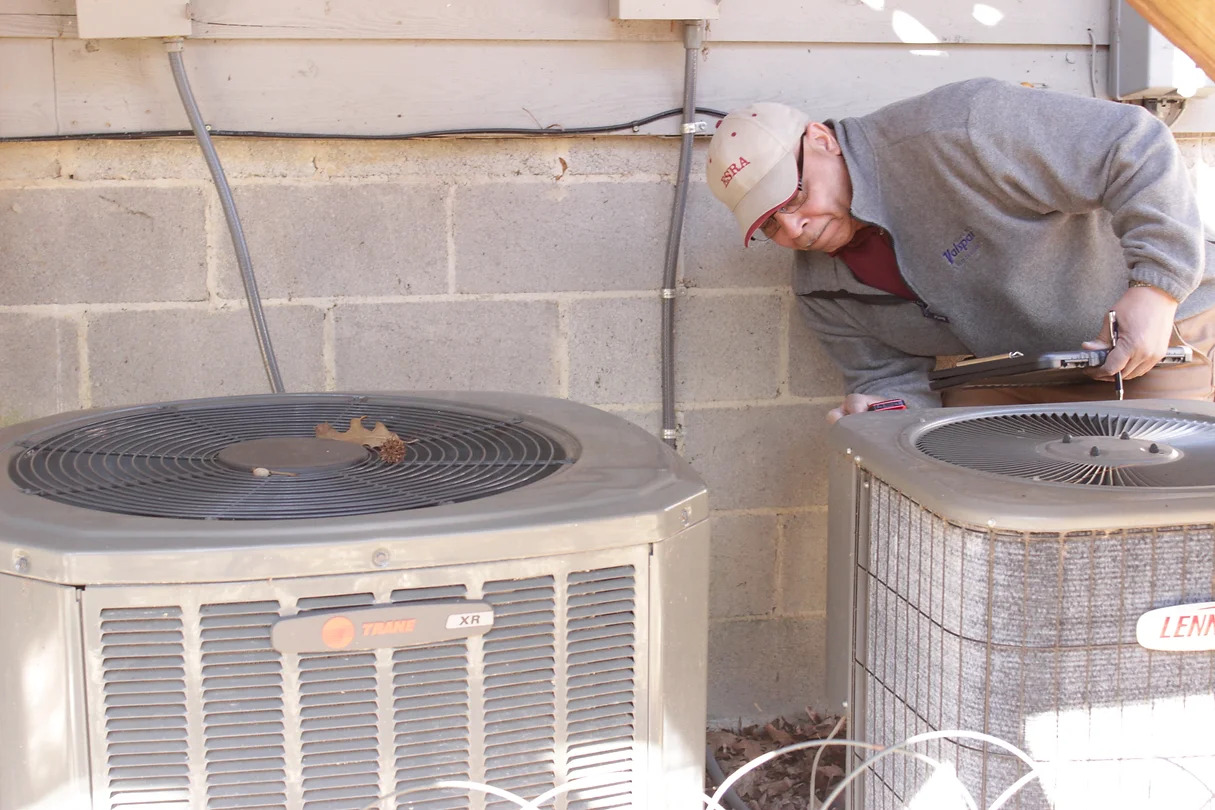
Home Energy Assessment
The home energy assessment is the fundamental baseline to identify how efficient a home is and what is needed to upgrade its efficiency.
changing Your Air Filter
The purpose of changing your HVAC air filters is to keep your heating and cooling system running efficiently while maintaining clean, breathable air inside your home.
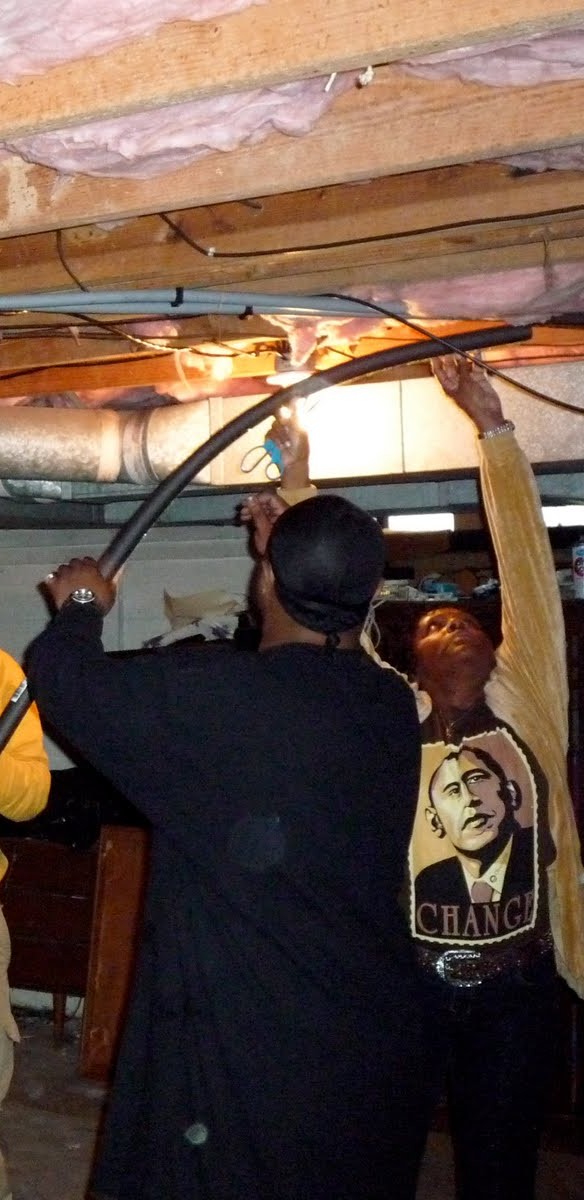
Sealing Leaky Ducts
Sealing leaky ductwork ensures that the air you pay to heat or cool actually reaches your living spaces instead of escaping into unconditioned areas like your attic, basement, or crawlspace.
Sealing Air Leaks
Sealing air leaks is a critical, cost-effective, and simple DIY task that significantly enhances a home's energy efficiency, comfort, and durability. Sealing gaps in walls, windows and doors can reduce energy bills by up to 20%.
Sealing your Attic Hatch
Sealing an attic hatch stops conditioned indoor air from escaping into your unconditioned attic space, which significantly lowers your heating and cooling costs.
weatherizing Exterior Doors
Weatherizing exterior doors seals the cracks where the door does not fully meet the threshold and frame. Sealing the edges of exterior doors with Door Sweeps and Weatherstripping can help reduce drafts and prevent pests from entering the home.
Insulating Pipes from your Water Heater
Insulating your water heater pipes reduces heat loss, saves energy, and ensures hot water arrives at your faucets faster.
Installing Energy Efficient Lightbulbs
Changing incandescent bulbs to LEDs significantly reduces energy consumption by 75–80%, lowers electricity bills, and decreases carbon emissions.
Installing Water Efficient Shower Head
Installing a water-efficient showerhead reduces water consuption and lowers the energy needed to heat that water without sacrificing water pressure.
Cleaning Refridgerator Coils
Cleaning the refrigerator coils helps the appliance dissipate heat away from the fridge easier, reducing the amount of energy it takes to keep it cool.
No Cost Tips to Save Energy & Money
There are many things you can do to reduce our energy use and lower our bills that don't cost us anything.
Renter Tips
While some energy efficiency projects will need landlord approval, there are several actions renters can take to reduce energy use that don't require approval.
Energy Efficiency Programs
There are many different programs to help you save money and make your home safer and more comfortable!
DIY Priority Guide
This table can help you choose which DIYs are the best place for you to begin based on cost, savings, and level of effort. Please note: These are estimates and every home is different.
| DIY Project | Cost | Savings Impact | Payback Time | Level of Effort |
|---|---|---|---|---|
| Swap to LED light bulbs | $1.50 to $3 per bulb |
High | 1 to 2 months | Low |
| Seal window and door air leaks | $10 to $20 | High | 2 to 3 months | Medium |
| Seal attic and crawl space gaps | $15 to $30 | High | 6 to 12 months | High |
| Seal and insulate your attic hatch | $15 to $60 | High | 6 to 12 months | Medium to High |
| Install efficient showerheads | $15 to $25 | Medium | 1 year | Low to Medium |
| Seal your visible ductwork | $15 to $25 | Medium | 1 year | Medium to High (depending on access to ductwork) |
| Install a programmable or smart thermostat | $25 for basic programmable; $130+ for smart |
Medium | 6 to 12 months | High |
Connect With Us
Take control of your energy use and comfort with these DIY steps. We'd love to hear from you about your projects!