




Possible rabies exposures confirmed at multiple NC events, no public events within Durham
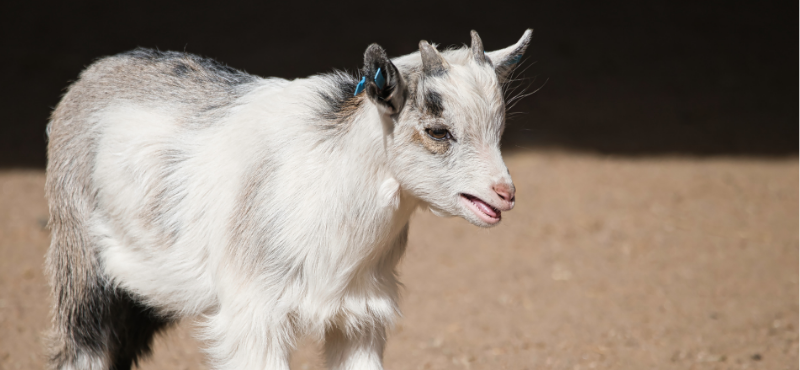
Durham, NC – The Durham County Department of Public Health (DCoDPH) is working alongside the NC Department of Health and Human Services (NCDHHS) to investigate potential rabies exposures connected to Farm Adventures Mobile Petting Zoo. Multiple baby goats from the petting zoo tested positive for rabies and may have been in contact with people at the petting zoo's primary location in Harmony, NC or at mobile events in multiple counties while the goats were infectious.
Per the NCDHHS, the affected goats were not present at any public events within Durham County. People who attended private events with the affected goats within Durham County will be contacted within the next 48 hours. People who had contact with baby goats at petting zoo events within other NC counties between July 28 and August 27 should contact that county’s health department to assess their risk and determine if medication is needed to prevent infection. A list of known exposure locations can be found on the NCDHHS website here. Contact information for each NC health department can be found here.
Baby goats from Farm Adventures Mobile Petting Zoo are the only affected animals in the current investigation.
Rabies is a deadly disease that can spread from wild animals to pets and people, primarily through a bite, scratch, or when infected saliva touches broken skin or mucous membranes. There have been no confirmed cases of human-to-human transmission of rabies virus aside from those attributable to organ and tissue transplantation. Rabies virus is also not transmitted through contaminated objects or materials such as clothes or bedding.
Rabies is almost always fatal in mammals, including people, unless medications to prevent infections are given before symptoms develop. Symptoms can begin weeks to months after someone is exposed. Early symptoms are flu-like illness including weakness, fever or headache as well as a prickling or itching sensation where someone was bitten or exposed. In North Carolina the disease most often occurs in wild animals, especially skunks, raccoons, bats and foxes.
For ongoing updates about the current investigation, continue to check the NCDHHS news webpage here. We will post updates related to the investigation within Durham, if additional updates are needed, on the DCoDPH website at DCoPublicHealth.org/news.
For more information about rabies, visit the rabies webpages on the NCDHHS and CDC websites.