




NCDHHS identifies likely source of Naegleria fowleri infection
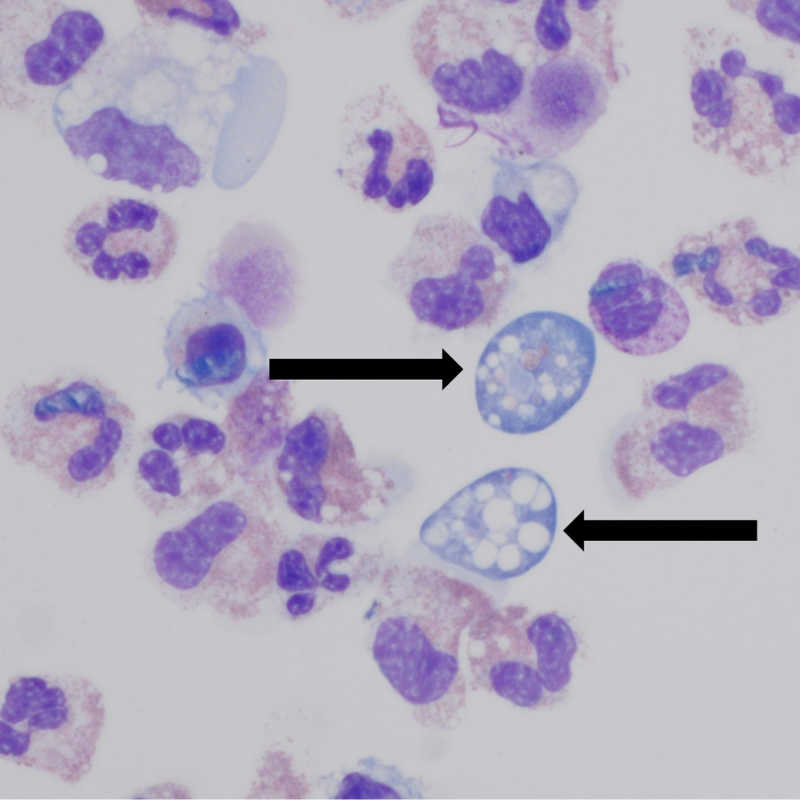
The North Carolina Department of Health and Human Services (NCDHHS) has issued a report sharing the results of an investigation to determine the source of a recent case of a rare brain infection caused by the amoeba Naegleria fowleri. Although the investigation cannot conclusively determine the source, the investigation determined the most likely source of the infection was a water feature at a community center within Durham County. This water feature was closed by the Durham County Department of Public Health (DCoDPH) on August 28, 2026 while testing for Naegleria fowleri began. It currently remains closed to the public.
Naegleria fowleri is naturally present in warm freshwater like ponds, lakes, and rivers. It is not found in salt water or in properly maintained and chlorinated pools. The amoeba does not cause illness if swallowed but can be fatal if water with the amoeba in it goes up the nose into the brain, which can occur by jumping into water, diving, water-skiing, nasal rinses, or other contact with water. Naegleria infections are extremely rare, with only 167 cases reported nationally between 1962 and 2024.
“Naegleria fowleri is an amoeba that is extremely common to freshwater lakes, rivers, and ponds, especially in the summer months. Despite millions of people being exposed to this amoeba every year from swimming in these waters, only a handful of people develop this infection,” said DCoDPH Medical Director Dr. Jeff Jenks. “The risk of this infection to the general public is extremely low. In fact, you have a greater chance of dying from a lightning strike than from Naegleria fowleri infection.”
Typically, fewer than 10 people a year in the United States are diagnosed with infections caused by Naegleria fowleri.
These rare infections usually occur when it is hot for prolonged periods of time, which results in higher water temperatures and lower water levels. Naegleria fowleri grows best at higher temperatures up to 115°F.
Symptoms of Naegleria fowleri infection usually start about 5 days after someone is exposed to Naegleria fowleri but can start anywhere between 1 and 12 days after exposure. Symptoms include severe headache, fever, nausea and vomiting, and progress to stiff neck, seizures and coma. Once symptoms start, the disease progresses rapidly and usually causes death within about five days.
While there is no way to eliminate this amoeba from the environment, safety measures include:
- Taking steps to prevent water going up your nose when taking part in warm freshwater-related activities. This could include holding your nose shut, using nose clips or keeping your head above water.
- Avoid putting your head underwater in hot springs and thermal waters.
- Avoid jumping or diving in warm freshwater during periods of high water temperatures and low water levels.
- Avoid digging in or stirring up the sediment while taking part in water-related activities in shallow, warm freshwater areas.
- Only use distilled water for nasal rinsing.
For more information, please visit the CDC’s Naegleria fowleri webpage.