Durham County Natural Areas Inventory Update
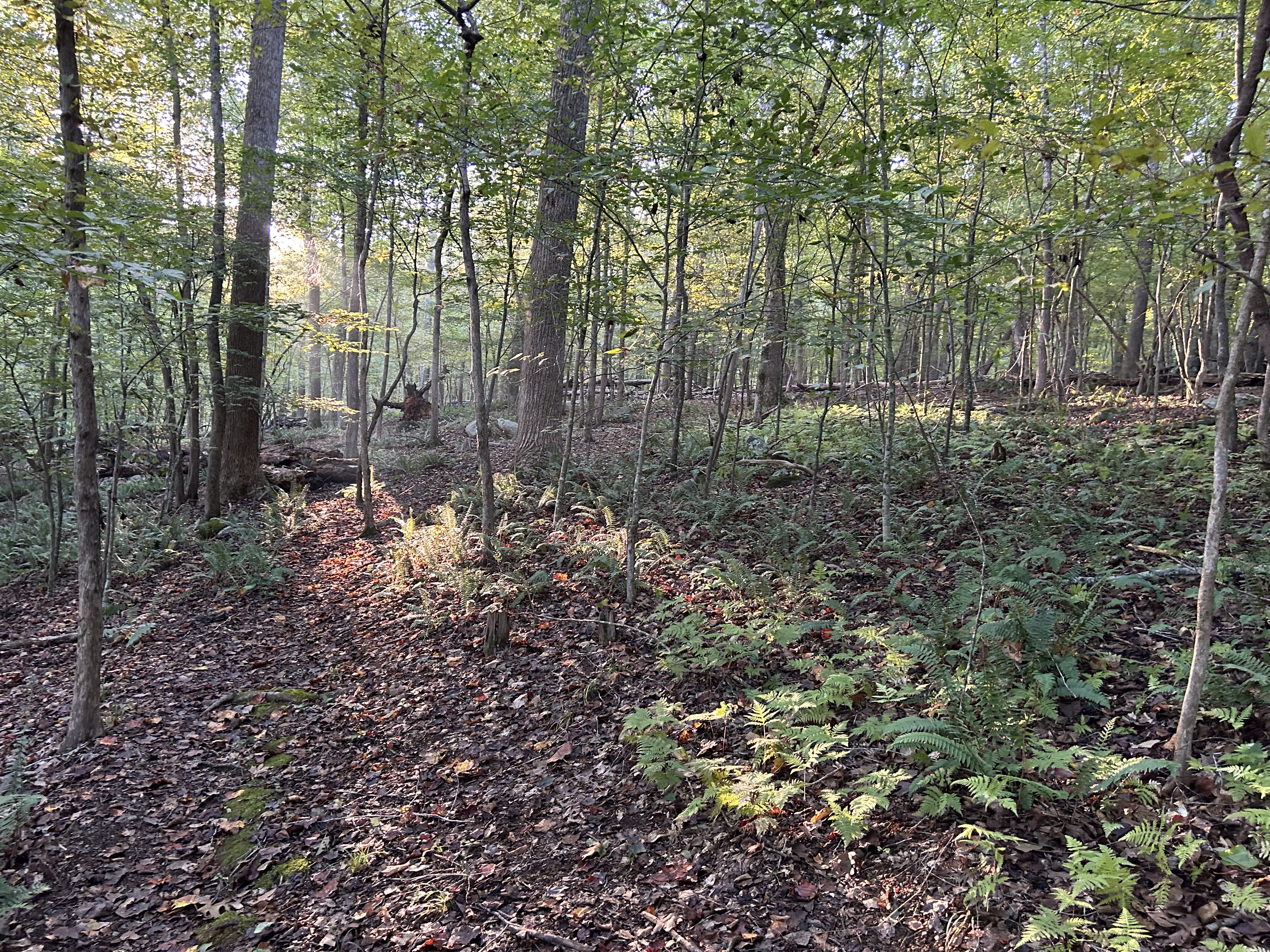
"We need to protect the plants, animals, and insects that are native to Durham and essential for all life, and restore them when possible."
- Durham Comprehensive Plan
The Durham County Open Space Program is working with the North Carolina Natural Heritage Program, a program of the Division of Land and Water Stewardship within the North Carolina Department of Natural and Cultural Resources, to document, map, and update State-designated natural areas across the County. This updated Inventory of Natural Areas in Durham County will guide conservation priorities, support site-specific management efforts, contribute to conservation planning, and provide educational materials for the community.
What is a State-identified natural area?
Natural areas are sites recommended for conservation due to the presence of rare species, unique natural communities, important animal groups, or other ecological features of special significance for biodiversity. Field biology is an essential part of the work of identifying natural areas: staff work with willing landowners to gain permission to access sites for assessment, and the data from these field assessments are used to idenfity natural areas. All site assessments are conducted with permission from the landowner; Natural Heritage Program staff will not visit a site if they have not received permission to do so.
Durham County has long been recognized as a special place for its biological and ecological diversity and was one of the first counties in the State to have State-led biological inventories. State-identified natural areas are not regulatory; rather, they are scientific designations, meant to inform communities and conservation professionals about the most important places for biodiversity and natural habitats across the State.
Why do we need an updated Inventory?
The Durham County Natural Areas Inventory has not been comprehensively updated since 1999. Since then, Durham has seen tremendous growth and land use change. While many of these changes have been very beneficial for the community, they have also put pressure on Durham's ecosystems and the many organisms who rely on them. In order to continue to grow and change in a way that safeguards biodiversity and preserves the function of vital habitats, it is essential that the Durham community - and the staff who serve its residents - have rigorous, up-to-date scientific data about the status of Durham's biodiversity and ecology. This is especially critical amidst the acknowledged global biodiversity crisis: species are threatened with extinction as land use and environmental change drive significant habitat decline and loss. The better we understand what we have, the better we can protect, manage, and restore the remaining important natural areas.
How will this project work?
The Durham County Open Space Program will work closely with the Natural Heritage Progam and local conservation partners to identify sites - both publicly and privately owned - that are known to be, or may be, significant for biodiversity and natural habitats. Staff will request permission from the landowner of each site to access the property for a site assessment, which will be conducted by Natural Heritage Program biologists. If the landowner grants permission for access, the biologists will visit the site to identify any rare, unique, or significant species and natural communities. This information will be used to designate and rank natural areas. As natural areas are non-regulatory, these designations do not impose any restrictions or obligations on the landowner.
Because of the scale of this Inventory update, and to allow for surveying across several seasons, this project will take a few years to complete, with the final report expected in 2029.
Where can I learn more?
For more information about this project, you may contact our Open Space Specialist at dabradley@dconc.gov or (919) 943-3997.
To learn more about the Natural Heritage Program, you may visit their website at: Natural Heritage Program of North Carolina
You can find the 1999 Durham County Inventory here.